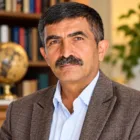
Por Bakhtiyar Hasanov
Poeta azerbaiyano
El poeta azerbaiyano Bakhtiyar Hasanov presenta «Los frascos de vidrio de Jabir», una obra que utiliza la historia de un hombre que recoge colillas de cigarrillos para reflexionar sobre la pobreza, la desigualdad social y los privilegios del poder. Con ironía y un desenlace trágico, el autor convierte una experiencia individual en una crítica a las condiciones de vida de los más desfavorecidos.
━━━━━━━━━━━━━━━━━━━━
ESPAÑOL
LOS FRASCOS DE VIDRIO DE JABIR
━━━━━━━━━━━━━━━━━━━━
Desde su infancia, Jabir fumaba.
Como no tenía dinero,
recogía colillas de cigarrillos de las calles.
Y en su mundo, el mejor hombre
era el director de la fábrica de carne,
porque fumaba el cigarrillo hasta la mitad
y lo tiraba.
La persona que más odiaba
era el profesor de literatura:
el cigarrillo le había quemado el bigote
y le había podrido los dientes.
Jabir también tenía un buen plan:
para prepararse para el invierno,
guardaba las colillas de cigarrillos
en frascos de vidrio.
Porque una colilla arrojada sobre la nieve
queda inservible.
Ahora veo que
los presupuestos familiares de los pobres
se llenan como los frascos de vidrio de Jabir,
y el presupuesto del Estado
se encuentra en la misma situación.
Pero los funcionarios que devoran la riqueza,
sus dientes ensangrentados,
se han vuelto todavía más blancos.
Y no hay ni un solo funcionario
como aquel director
que arroje la mitad de la riqueza
al pueblo.
Vi a Jabir el otro día.
Su bigote se había vuelto amarillo por los cigarrillos.
Sus dientes se habían podrido,
igual que su vida.
Dice que este país es el infierno.
Dice que el fuego del infierno
enciende nuestros cigarrillos.
Pero también hay algo hermoso en esto:
se ahorra una cerilla.
Una nota final:
El cigarrillo había destruido
los pulmones de Jabir.
Él había quedado inservible,
como una colilla arrojada sobre la nieve.
Temblando de frío, Jabir murió:
pasó de la sucursal local del infierno
directamente al infierno mismo.
Allí no sentiría frío.
Su cuerpo, siempre helado,
entraría en calor.
Esta muerte también afectó
el presupuesto familiar:
le habían impuesto una multa
de 300 AZN
por arrojar una colilla
a la calle,
y aquel dinero quedó
para su familia.
A veces, incluso en
la sucursal local del infierno,
ocurren cosas buenas…
━━━━━━━━━━━━━━━━━━━━
ENGLISH
JABIR’S GLASS JARS
━━━━━━━━━━━━━━━━━━━━
Since childhood, Jabir had been smoking.
Because he had no money,
he collected cigarette butts from the streets.
And in his world, the best man
was the director of the meat factory,
because he smoked the cigarette halfway
and threw it away.
The person he hated the most
was the literature teacher:
the cigarette had burned his moustache
and had rotted his teeth.
Jabir also had a good plan:
for preparation for winter,
he would store the cigarette butts
in glass jars.
Because a cigarette butt thrown on the snow
becomes unusable.
Now I see that
the family budgets of the poor
fill up like Jabir’s glass jars,
and the state budget
is in the same condition.
But the officials who eat the wealth —
their bloody teeth
have become even whiter.
And there isn’t a single official
like that director
who would throw half of the wealth
to the people.
I saw Jabir the other day.
His moustache has been yellowed by cigarettes.
His teeth have decayed,
like his life.
He says this country is hell.
He says the fire of hell
lights our cigarettes.
But there is also one beauty in this —
it saves a matchstick.
A final note:
The cigarette had destroyed
Jabir’s lungs.
He had become unusable,
like a cigarette butt thrown on snow.
Shivering, Jabir died —
he went from hell’s local branch
straight to hell itself.
There he would not be cold.
His always-cold body
would warm up there.
This death also affected
his family budget:
he had been fined
300 AZN
for throwing a cigarette butt
onto the street,
and that money remained
for his family.
Sometimes even in
hell’s local branch
good things happen…
━━━━━━━━━━━━━━━━━━━━
AZƏRBAYCAN DİLİ
CABİRİN ŞÜŞƏ BANKALARI
━━━━━━━━━━━━━━━━━━━━
Cabir uşaqlıqdan siqaret çəkirdi.
Pulu olmadığı üçün
küçələrdən siqaret kötükləri yığırdı.
Onun dünyasında ən yaxşı adam
ət kombinatının direktoru idi,
çünki siqareti yarıya qədər çəkib
atırdı.
Ən çox nifrət etdiyi adam
ədəbiyyat müəllimi idi:
siqaret onun bığını yandırmış,
dişlərini çürütmüşdü.
Cabirin yaxşı bir planı da vardı:
qışa hazırlaşmaq üçün
siqaret kötüklərini
şüşə bankalarda saxlayırdı.
Çünki qarın üstünə atılan siqaret kötüyü
yararsız hala düşür.
İndi görürəm ki,
kasıbların ailə büdcələri
Cabirin şüşə bankaları kimi dolur,
dövlət büdcəsi də
eyni vəziyyətdədir.
Amma sərvəti yeyən məmurların
qanlı dişləri
daha da ağarıb.
Və o direktor kimi
sərvətin yarısını
xalqa atacaq
bir məmur da yoxdur.
Bu yaxınlarda Cabiri gördüm.
Siqaretdən bığı saralmışdı.
Dişləri də
ömrü kimi çürümüşdü.
Deyir ki, bu ölkə cəhənnəmdir.
Deyir, cəhənnəmin odu
siqaretlərimizi yandırır.
Amma bunun da bir gözəlliyi var —
bir kibrit çöpünə qənaət olunur.
Son bir qeyd:
Siqaret Cabirin
ciyərlərini məhv etmişdi.
O da qarın üstünə atılmış
siqaret kötüyü kimi
yararsız hala düşmüşdü.
Cabir titrəyə-titrəyə öldü —
cəhənnəmin yerli filialından
birbaşa cəhənnəmin özünə getdi.
Orada üşüməyəcəkdi.
Həmişə üşüyən bədəni
orada isinərdi.
Bu ölüm onun
ailə büdcəsinə də təsir etdi:
küçəyə siqaret kötüyü atdığına görə
ona 300 AZN
cərimə yazılmışdı,
o pul da
ailəsinə qaldı.
Bəzən cəhənnəmin
yerli filialında da
yaxşı şeylər olur…